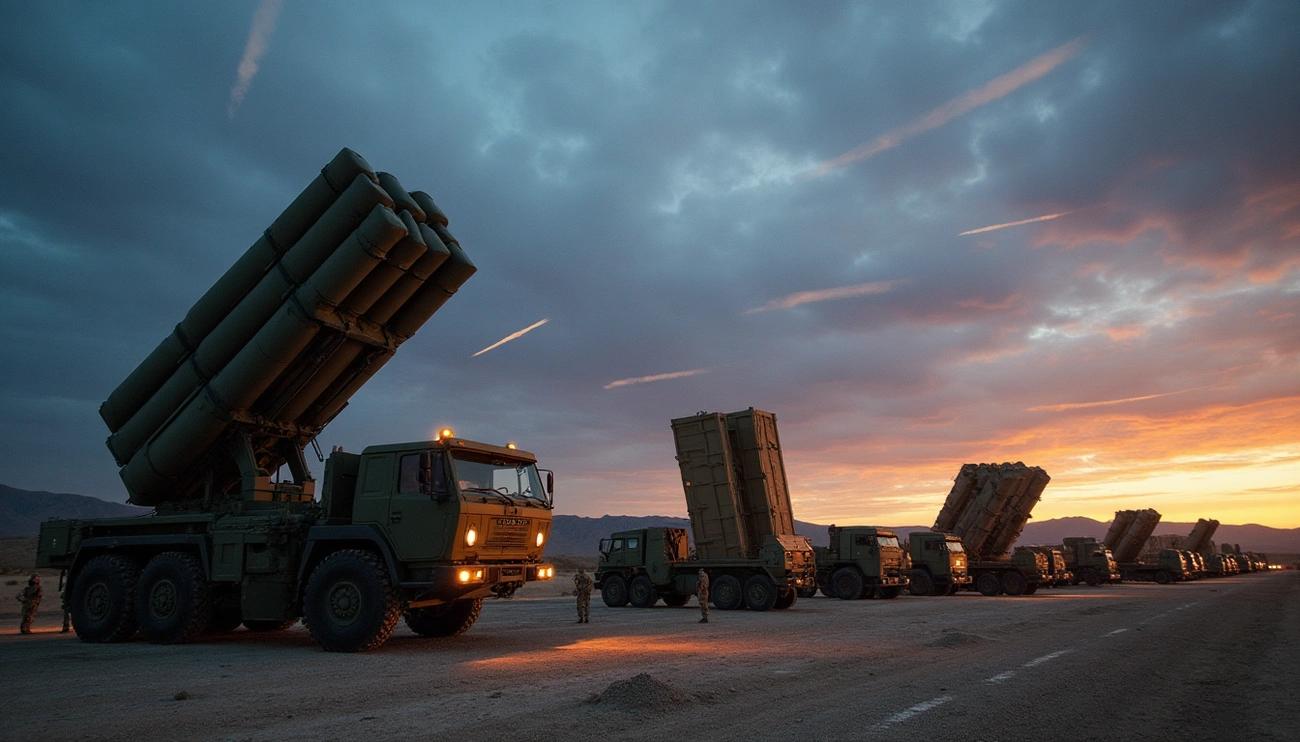
Ukraine has renewed its appeal for additional air-defense assistance from international partners as the country continues to face persistent aerial attacks targeting cities, critical infrastructure, and military positions. Ukrainian officials have stressed that strengthening the nation's air-defense capabilities remains a top priority, arguing that enhanced protection is essential for safeguarding civilians and preserving the country's economic and security resilience.
The latest request comes amid a period of heightened military activity, with attacks increasingly involving a combination of missiles, drones, and other long-range weapons. Although Ukraine has received substantial military support from Western allies since the conflict began, officials say existing defense systems remain under considerable strain due to the scale and frequency of incoming threats. Kyiv is therefore seeking additional advanced air-defense platforms, interceptor missiles, and technical assistance to broaden defensive coverage across vulnerable regions.
Air-defense systems have become one of the most critical elements of modern warfare, particularly in conflicts where long-range precision strikes play a central role. Military analysts note that effective air-defense networks help protect not only population centers but also key infrastructure such as energy facilities, transportation systems, communication networks, and industrial assets. By limiting the impact of aerial attacks, these systems contribute to maintaining economic activity and strengthening national resilience during prolonged conflicts.
Ukraine's leadership has repeatedly highlighted the importance of international cooperation in sustaining and expanding these defensive capabilities. Government officials argue that additional support would improve the country's ability to intercept incoming threats while reducing the burden on existing systems. The appeal also reflects concerns about maintaining adequate stocks of interceptor missiles, which are vital for ensuring long-term operational readiness.
The request is being closely watched by governments across Europe and North America, many of which have already provided significant military assistance. Policymakers continue to assess strategic priorities, defense production capacity, and broader regional security considerations as they evaluate future aid commitments. Discussions surrounding air-defense support have become an increasingly important component of international security cooperation as nations balance domestic defense requirements with their commitments to allies.
Beyond its military significance, the issue carries major humanitarian implications. Civilian populations remain particularly vulnerable to aerial attacks, making air-defense systems a critical safeguard for homes, schools, hospitals, and public infrastructure. International organizations and humanitarian groups have repeatedly emphasized the importance of protecting civilian areas and minimizing risks to non-combatants during periods of intensified hostilities.
Defense experts note that advances in drone technology and precision-guided weapons have transformed the nature of modern warfare, creating new challenges for military planners around the world. In response, many countries are investing heavily in next-generation air-defense technologies capable of detecting, tracking, and neutralizing a wide range of aerial threats. Ukraine's experience has increasingly become a case study for defense establishments seeking to understand the evolving role of integrated air-defense networks in contemporary conflict.
While the long-term trajectory of the war remains uncertain, Ukraine's continued calls for enhanced air-defense support underscore the strategic importance of maintaining strong defensive capabilities. For Kyiv and its international partners, the issue extends beyond military considerations to include economic stability, civilian protection, and broader regional security objectives. As diplomatic discussions and defense consultations continue, air-defense assistance is expected to remain a central focus of international efforts to support Ukraine's security and resilience in the months ahead.